Immediate Safety Steps After a Tree Falls
When a storm passes through Jacksonville and leaves a fallen tree in its wake, your first instinct might be to grab a chainsaw and start clearing debris. Resist that urge. Your immediate priority is safety, not cleanup. A fallen tree can hide serious hazards that aren't obvious at first glance.
Before you or anyone else approaches the fallen tree, assess the scene carefully. Look for downed power lines tangled in the branches or lying on the ground nearby. If you see any electrical lines, do not touch the tree or attempt removal yourself. Call your local utility company immediately and mark off the area to keep family members and neighbors away. Even a tree that appears to be simply resting on the ground could be energized if it's in contact with power lines.
Check for structural damage to your home, roof, or neighboring properties. If the tree has crashed through your roof, broken windows, or damaged a fence, document everything with photos and video before moving anything. This documentation will be critical for your insurance claim. Also look for gas lines or other underground utilities that might have been damaged. If you smell gas or suspect a utility line has been compromised, evacuate the area and call the appropriate emergency service.
Documenting Storm Damage for Your Insurance Claim
Insurance companies require thorough documentation to process claims for storm damage. The moment you've confirmed the area is safe, begin photographing and videoing everything. Take wide shots showing the fallen tree in relation to your home and property, then close-ups of any damage to your house, vehicles, landscaping, or structures. Capture images from multiple angles and in good lighting. If the tree fell during daylight hours, photograph it immediately. If it happened at night, photograph it first thing in the morning when you have adequate natural light.
Write down the date and time the tree fell, weather conditions at the time, and any witnesses who saw it happen. Note whether the tree was healthy before the storm or if it had visible signs of disease, dead branches, or structural weakness. Your insurance adjuster will want to know whether the tree failure was due to the storm itself or due to poor maintenance on your part. Keep all receipts for any temporary repairs you make, such as tarping a roof or boarding up windows. These expenses may be covered under your policy.
Contact your homeowner's insurance company as soon as possible and file a claim. Most policies cover tree removal and damage caused by severe weather events, though coverage varies. Provide your adjuster with all photos, videos, and documentation you've gathered. Be prepared to describe exactly what happened and how the tree came down. Having this information organized and ready will speed up the claims process and help ensure you receive fair compensation for the damage.
When to Call for Emergency Tree Service Near Me
Not all fallen trees require professional Emergency Tree Service, but most do. If the tree is small, completely clear of structures and power lines, and you have experience with chainsaws and debris removal, you might handle it yourself. However, if the tree is large, tangled with power lines, resting against your home, blocking a roadway, or damaged in any way that makes it unstable, call a professional immediately.
Professional tree removal specialists in Jacksonville have the equipment, training, and insurance to safely remove fallen trees in complex situations. They can work around power lines, navigate tight spaces between structures, and handle heavy debris that would be dangerous for a homeowner to move. Many tree service companies, including Jacksonville Tree Care, offer 24/7 emergency response for storm damage. When you call, have your photos and documentation ready to share with the company so they can give you an accurate assessment and timeline.
The cost of emergency removal varies depending on the tree's size, location, and the complexity of the job. Before committing to a service provider, get a free estimate from at least two companies. Ask about their experience with storm damage, their insurance coverage, and their availability. Some companies charge premium rates for true emergencies, while others maintain standard pricing regardless of the time of day. Jacksonville Tree Care can be reached at (904) 605-4387 for immediate assistance.
Understanding Your Homeowner's Insurance Coverage
Most standard homeowner's insurance policies cover tree removal and damage resulting from storms, but the specifics matter. Your policy likely covers the cost of removing a fallen tree only if it has damaged an insured structure, such as your home, garage, shed, or fence. If a tree falls in your yard without hitting anything, removal costs may fall under your property's general maintenance, which homeowner's insurance typically does not cover. However, if the fallen tree is blocking your driveway or creating a safety hazard, you may still want to have it removed regardless of insurance coverage.
Review your policy documents or call your insurance agent to understand your specific coverage limits and deductibles. Ask whether your policy covers debris removal as a separate line item, or whether it's included in the overall claim payout. Some policies have caps on tree removal costs, so knowing your limits in advance helps you budget for any out-of-pocket expenses. If you have multiple trees down or extensive damage, your total claim might exceed your deductible, making it worthwhile to file a claim even if some costs aren't fully covered.
Keep in mind that insurance companies may deny claims if they determine the tree was poorly maintained or already diseased before the storm. This is another reason why documenting the tree's condition before the storm and the severity of the weather event is so important. If you have questions about coverage or your adjuster's assessment, don't hesitate to ask for clarification or request a second opinion.
The Cleanup Process and Debris Removal
Once the main tree has been removed, the real work of cleanup begins. Professional Tree Removal companies handle not just the tree itself but also the branches, logs, and debris scattered across your property. Some companies include cleanup in their service, while others charge separately. Before hiring, clarify what's included in the removal quote and what additional services, such as chipping branches or hauling away logs, might cost extra.
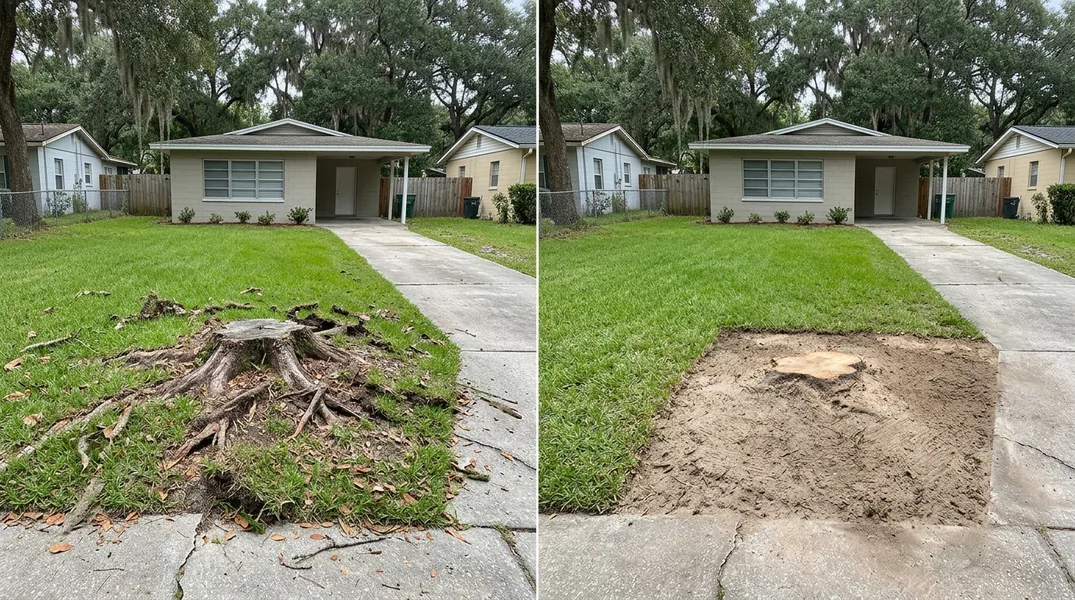
If the tree left behind a large stump, you may want to consider Stump Grinding to fully restore your yard. Stumps can be unsightly and create tripping hazards, and they can also sprout new growth if left in place. Grinding is typically less expensive than digging out the entire root system and leaves your yard ready for replanting or other landscaping projects.
Ask the removal company about debris disposal options. Some haul everything away for a fee, while others may leave logs for you to dispose of or chip branches on-site. If you're planning to use the wood for firewood or have branches chipped for mulch, discuss this with the company beforehand. Getting these details in writing as part of your service agreement prevents misunderstandings and ensures the job is completed to your satisfaction.
Preventing Future Storm Damage Through Proper Tree Care
After dealing with a fallen tree, many homeowners wonder how to prevent the same problem in the future. Regular Tree Trimming and Pruning is one of the best investments you can make. Removing dead branches, thinning dense canopies, and maintaining proper tree structure makes trees more resistant to wind damage and less likely to fail during storms. Professional arborists can identify weak branch attachments, disease, and structural problems before they become dangerous.
Have your trees inspected annually, especially large ones near your home or over structures. Trees with signs of disease, pest damage, or structural weakness should be monitored closely or removed if the risk is too high. In Jacksonville's subtropical climate, trees face unique stressors including high humidity, salt spray near coastal areas, and intense summer storms. Working with a local tree care company that understands these regional challenges ensures your trees receive appropriate maintenance year-round.
If you're concerned about trees on your property or want to establish a preventive maintenance plan, contact Jacksonville Tree Care at (904) 605-4387 or request a free estimate. Professional arborists can assess your trees' health and recommend trimming, removal, or monitoring strategies tailored to your specific situation. Investing in preventive care now can save you thousands in emergency removal costs and property damage later.
Looking for a professional tree service contractor in Jacksonville? Jacksonville Tree Care responds fast for all your tree service needs.
Get a Free QuoteOur services: Tree Removal · Tree Trimming & Pruning · Stump Grinding